
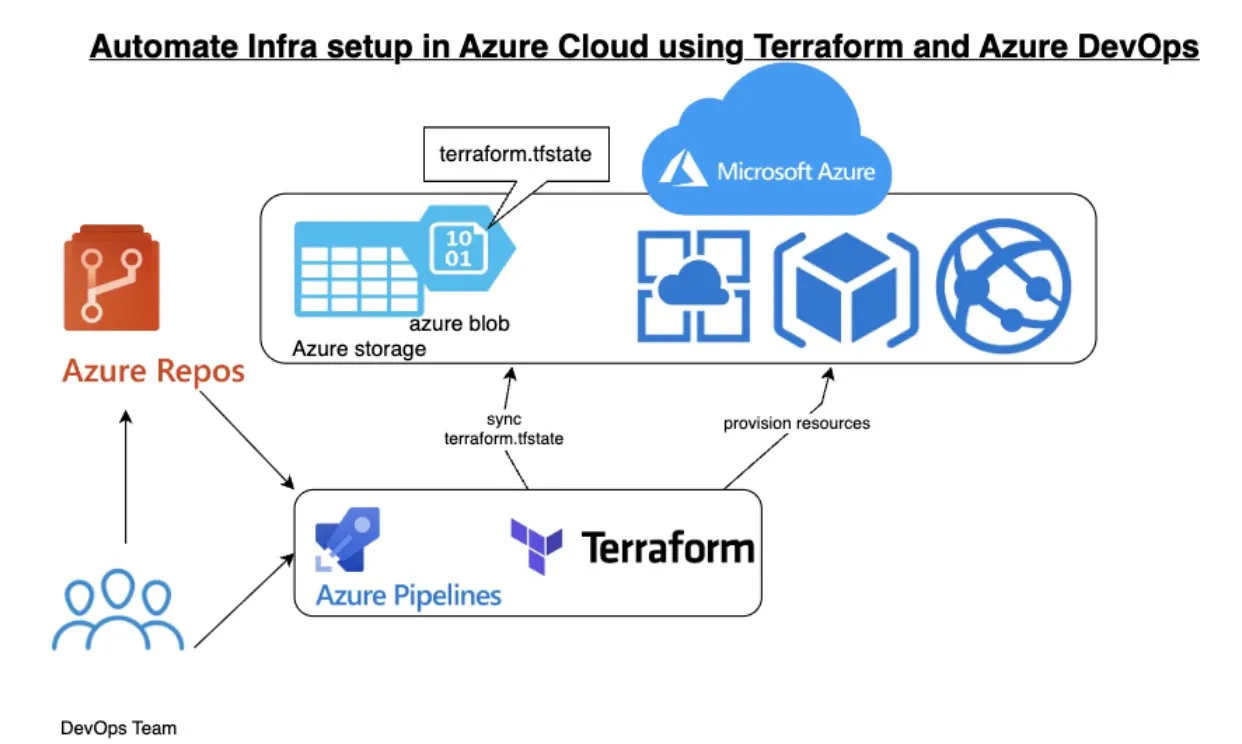
Introduction to DevOps
In today's fast-paced digital landscape, organizations are constantly seeking ways to improve their software delivery processes. DevOps has emerged as a powerful methodology that bridges the gap between software development and IT operations. By fostering a culture of collaboration and continuous improvement, DevOps enables teams to deliver high-quality software faster and more efficiently.
What is DevOps?
DevOps is a combination of cultural philosophies, practices, and tools that increase an organization’s ability to deliver applications and services at high velocity. This allows organizations to better serve their customers and compete more effectively in the market.
Core Principles of DevOps
DevOps is built on several core principles:
- Collaboration: Breaking down silos between development and operations teams.
- Automation: Automating repetitive tasks to improve efficiency.
- Continuous Integration and Continuous Deployment (CI/CD): Streamlining the software release process.
- Monitoring and Feedback: Implementing robust monitoring to gather user feedback and improve systems continuously.
Benefits of Implementing DevOps
Adopting DevOps practices can lead to significant advantages for organizations:
- Faster Time to Market: Streamlined processes enable quicker release cycles.
- Improved Collaboration: Enhanced communication between teams leads to better project outcomes.
- Higher Quality Software: Continuous testing and feedback loops help identify and fix issues early.
- Greater Efficiency: Automation reduces manual efforts, allowing teams to focus on innovation.
- Scalability: DevOps practices support scalability, making it easier to manage larger projects.
Key DevOps Tools
There are numerous tools available that support various aspects of the DevOps lifecycle. Here are some popular ones:
| Tool | Purpose |
|---|---|
| Jenkins | Automation server for CI/CD. |
| Docker | Containerization for application portability. |
| Kubernetes | Container orchestration for managing workloads. |
| Git | Version control for source code management. |
| Prometheus | Monitoring and alerting toolkit. |
Practical Example: A DevOps Pipeline
To illustrate how DevOps can transform a software project, let’s consider a hypothetical scenario:
Imagine a company developing a web application. Before implementing DevOps, the development team would write code, hand it off to the operations team for deployment, and wait for feedback. This process could take weeks, leading to delays and frustration.
After adopting a DevOps approach, the company establishes a CI/CD pipeline:
- Code Development: Developers use Git for version control and create feature branches.
- Continuous Integration: Each code commit triggers automated tests and builds in Jenkins.
- Containerization: Successful builds are packaged into Docker containers.
- Deployment: Kubernetes manages the deployment of containers across staging and production environments.
- Monitoring: Prometheus collects metrics, allowing the team to monitor application performance.
This pipeline enables the company to release updates weekly instead of monthly, significantly improving their responsiveness to user needs.
Challenges in Implementing DevOps
While the benefits of DevOps are clear, organizations may face several challenges during implementation:
- Cultural Resistance: Teams accustomed to traditional workflows may resist change.
- Tool Overload: Choosing the right tools from the vast array available can be overwhelming.
- Skill Gaps: Teams might lack the necessary skills for new tools and practices.
To overcome these challenges, organizations should invest in training, foster a culture of openness, and start with small pilot projects to demonstrate the value of DevOps.
Conclusion
DevOps is more than just a set of tools; it is a cultural shift that fosters collaboration and innovation. By embracing the principles of DevOps, organizations can enhance their development processes, improve software quality, and deliver value to their customers more rapidly. As the digital landscape continues to evolve, the importance of adopting DevOps practices will only grow.