
Introduction
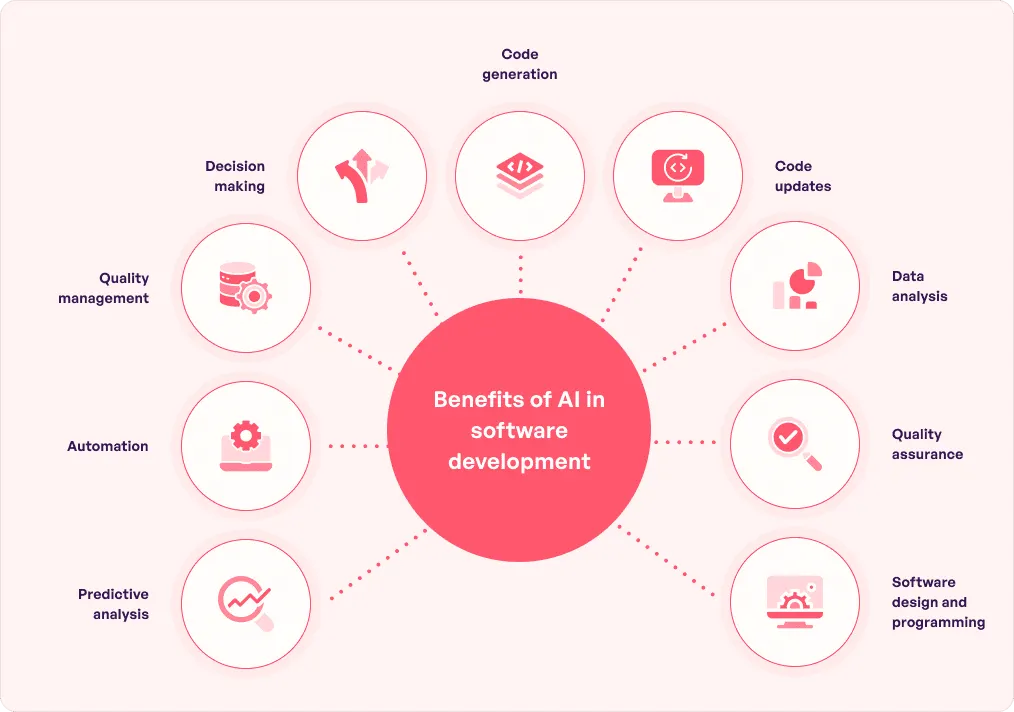
As we dive into 2025, the software development landscape is undergoing a significant transformation, all thanks to advancements in artificial intelligence (AI). From automating mundane tasks to enhancing decision-making processes, AI is reshaping how developers approach their work. This blog post explores the multifaceted impact of AI on software development, providing practical insights and examples.
The Rise of AI-Powered Development Tools
One of the most noticeable changes in software development is the proliferation of AI-powered tools. These tools leverage machine learning algorithms to assist developers at every stage of the software development lifecycle (SDLC).
Code Generation and Assistance
AI-driven code generation tools, such as GitHub Copilot and Tabnine, have emerged as invaluable assets for developers. These tools analyze existing codebases and suggest code snippets, reducing the time spent on routine coding tasks.
- Example: A developer working on a web application can use GitHub Copilot to automatically generate boilerplate code, allowing them to focus on unique features.
Automated Testing
Automated testing has become more sophisticated with AI. Tools like Test.ai utilize AI to create tests based on user behavior, ensuring comprehensive coverage and minimizing human error.
- Example: AI can analyze user interaction data to generate test cases that reflect real-world usage, significantly improving the reliability of the software.
Enhancing Code Quality
AI is also playing a crucial role in improving code quality. By analyzing vast amounts of code, AI systems can identify potential vulnerabilities and suggest best practices.
Predictive Code Analysis
Tools like Snyk and DeepCode use AI to perform predictive code analysis. They scan code repositories for security vulnerabilities and provide actionable insights.
- Example: A development team can integrate Snyk into their CI/CD pipeline, allowing for real-time vulnerability scanning and fixing before deployment.
Streamlining Project Management
AI is not only transforming the coding aspect but also optimizing project management practices. AI-driven project management tools can analyze team performance and predict project timelines more accurately.
Resource Allocation
AI tools can analyze workload and team capacity to suggest optimal resource allocation. This helps in ensuring that the right skills are available for the right tasks.
- Example: An AI system can recommend which developer should take on a specific task based on their past performance and current workload.
Risk Management
AI can also assist in risk management by predicting potential project risks based on historical data.
- Example: If a project has a history of delays due to scope creep, the AI can flag similar projects for closer monitoring.
Facilitating Collaboration
Collaboration among developers is becoming more effective with AI. Tools like Slack's AI Assistant enhance communication by summarizing discussions and highlighting important decisions.
Natural Language Processing
AI-powered tools utilize natural language processing (NLP) to interpret and summarize conversations, making it easier for teams to stay aligned.
- Example: After a meeting, an AI assistant can provide a summary of action items and decisions made, ensuring everyone is on the same page.
Challenges and Considerations
While the benefits of AI in software development are substantial, it is crucial to consider the challenges involved. Issues such as data privacy, algorithmic bias, and the need for human oversight remain pertinent.
Ethical Implications
As AI systems become more integrated into the development process, addressing ethical implications is vital. This includes ensuring that AI decisions are transparent and fair.
The Human Element
While AI can automate many tasks, the human element in software development cannot be overlooked. Creative problem-solving, empathy, and critical thinking are attributes that AI cannot replicate.
Conclusion
In 2025, AI is undeniably transforming software development, making it more efficient, collaborative, and innovative. By embracing AI tools and strategies, development teams can enhance productivity and code quality while navigating the challenges that come with this new era. As we move forward, the synergy between human creativity and AI efficiency will shape the future of software development.